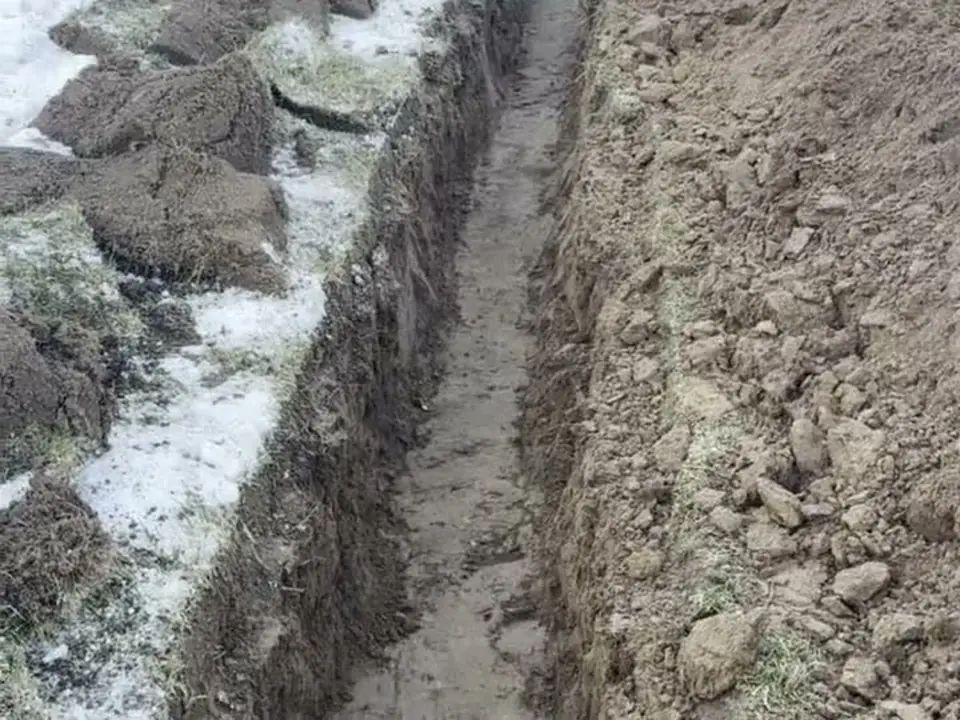
What trenching covers
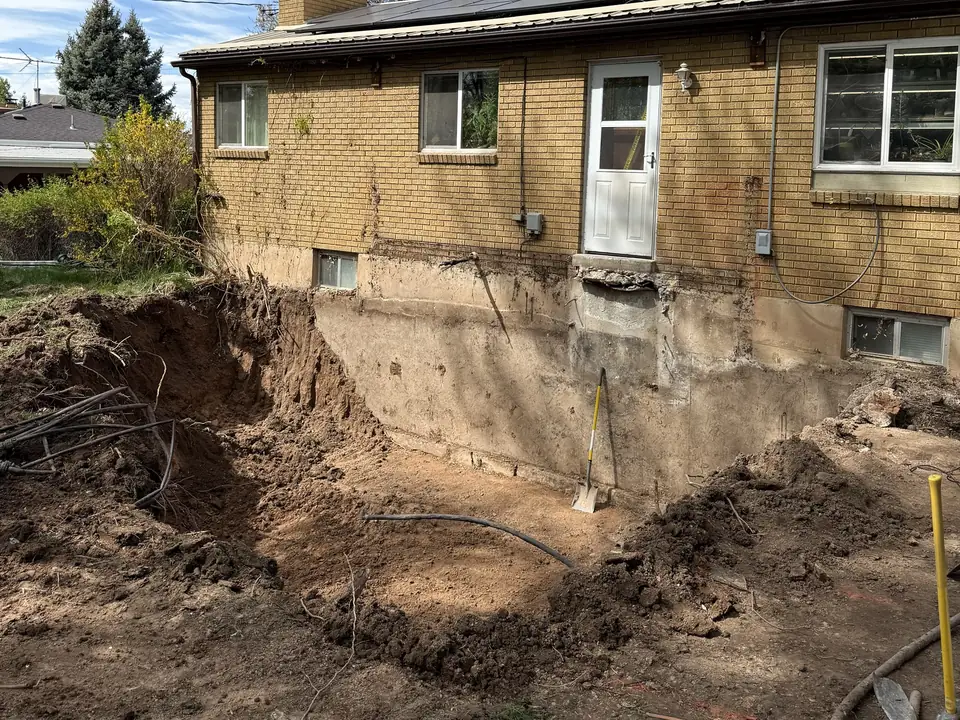
A trench is a narrow cut in the ground for a line to run through. Dig Daddy digs them for water, power, gas and drainage lines, whether that is a new line out to a shop, a replacement water line to the house, or a drainage run to move water off a yard.
The trench gets dug clean and to the depth the line needs. Once the line is in, it gets backfilled and compacted so the ground does not settle into a low strip later.
Drainage trenches are their own kind of job. The pipe has to fall the right way the whole length of the run, or the water just sits in it. Getting that slope right is part of digging the trench, not an afterthought.
Blue Stakes and safety first
Nobody should dig in Utah without knowing what is already in the ground. Before any trench is started, buried utilities need to be marked through Blue Stakes of Utah. You call 811, and the utility companies mark their lines with paint or flags.
Call well before the dig date, since the marks have to be in place before any work starts.
Private lines, like sprinkler pipe or a line out to a shed, are usually not marked, so tell Ryan where you know of any. Deeper trenches also need to be sloped or shored so they are safe, which is part of planning the dig.
How a trenching job goes
Send photos of the route, from where the line starts to where it ends, and note anything in the way, like a driveway, a fence or a tree. Ryan will call to set up a live estimate within 24 hours.
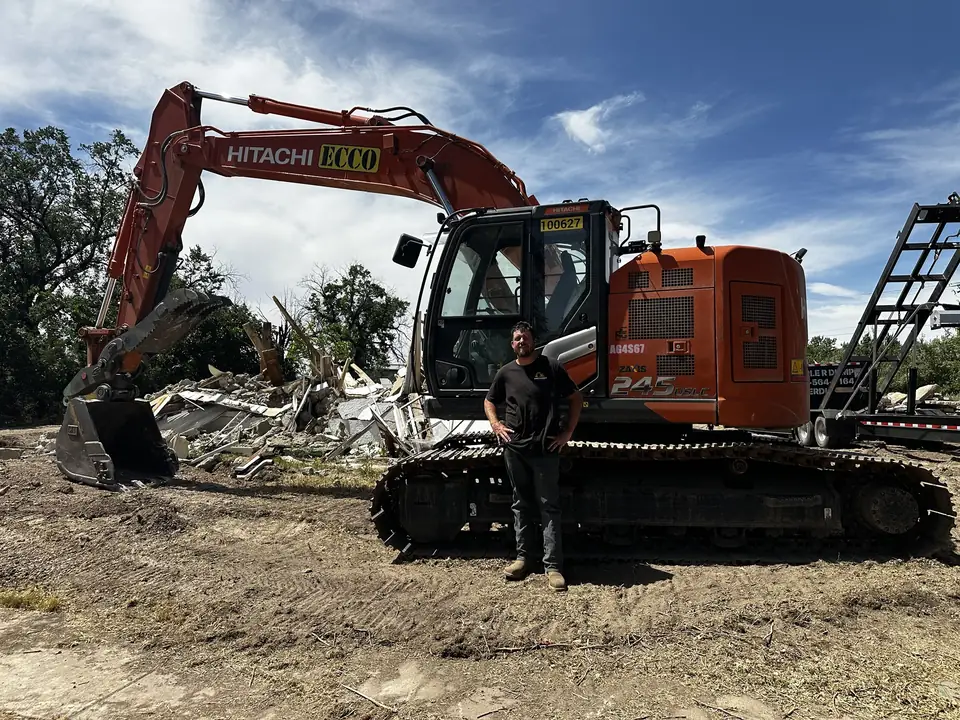
On the day, Ryan runs the machine himself. Homeowners and general contractors know what they are getting: a clean trench to depth, ready for the line, and backfill once the run is in.
Talk to Ryan about permits and inspections for your job. Many utility lines need an inspection before the trench is closed, so plan the backfill around that.
If the trench is part of a bigger project, like a new shop, a basement addition or a new build, Ryan can quote it together with the rest of the dig work.
What affects the cost
Length and depth come first. A long, deep trench is more work than a short, shallow one. The soil matters too, since rocky ground and hard clay dig slower than loose dirt.
Then there is what is in the way. Crossing open lawn is one thing. Working around a driveway, sprinkler lines, trees or a tight side yard takes more care. Photos up front show all of this, so the number you get is the number you pay.
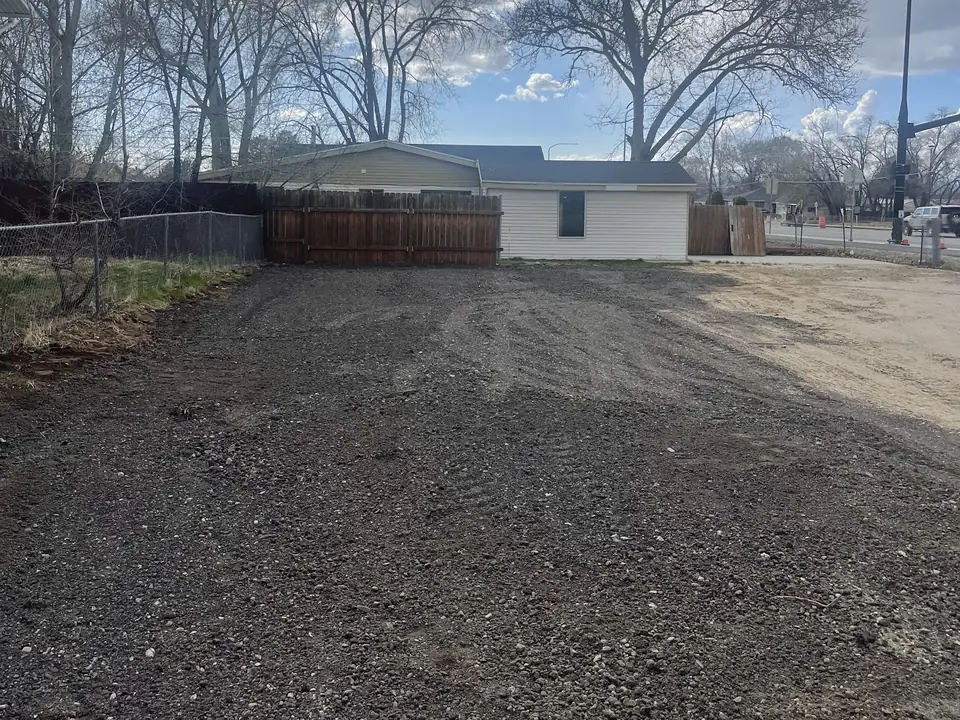
Plan for the surface over the trench too. Backfill and compaction are part of the job, and anything that sits on top of the line, like new sod or a walkway, is worth talking through before the dig.